Rosy: A Simple and Cute Handwritten Font for Creative Projects
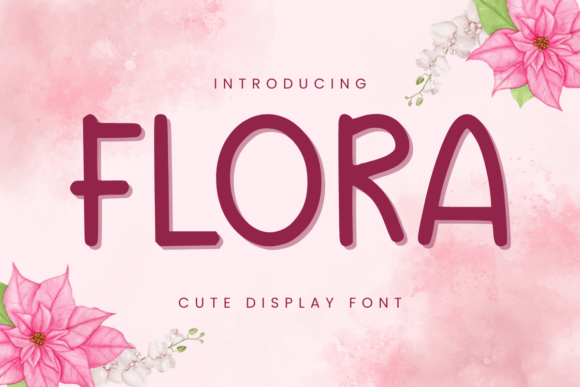
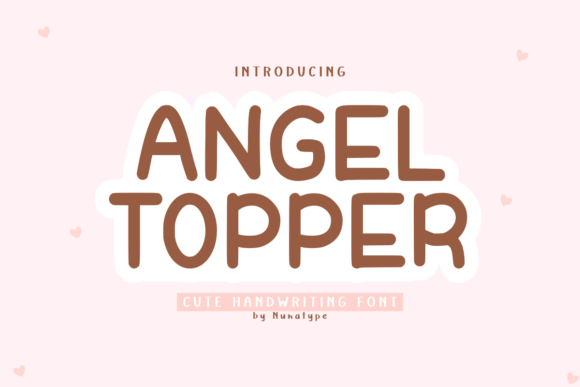
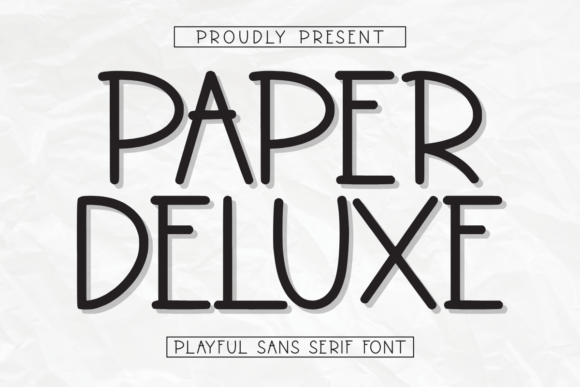
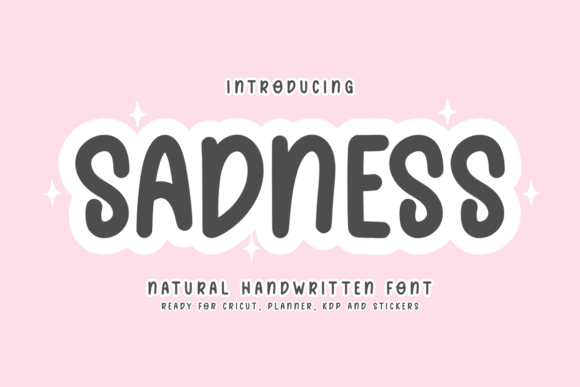
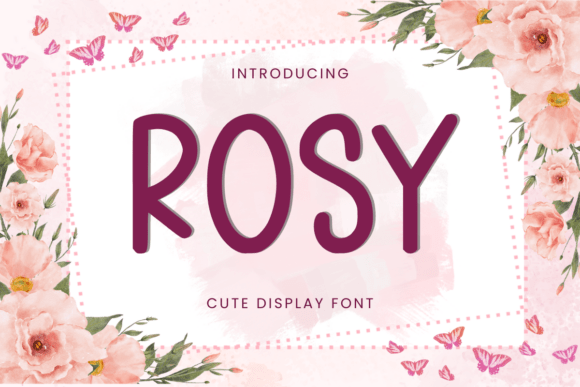
Rosy is a handwritten font that feels like it was scribbled on the back of a napkin during a coffee break. It has that soft, friendly look that makes you smile. With its rounded letters and gentle curves, Rosy brings a sense of warmth and approachability to any design. Whether you're jotting down ideas in a journal or designing a birthday card, this font adds a personal touch that feels just right.
What Makes Rosy Stand Out?
Rosy isn't just another font; it's designed to mimic natural handwriting. This means each letter has a unique flair, making your text feel more human and less robotic. The font’s simplicity and charm make it ideal for projects that need a playful yet professional vibe.
If you're looking for something that stands out but still feels familiar, Rosy might be exactly what you need. It’s not too fancy or too plain—it strikes the perfect balance between cute and usable.
Where Can You Use Rosy?
Rosy is incredibly versatile. Let's explore some of the most common places where this font shines:
- Journals and Planners: If you love keeping track of your thoughts or organizing your schedule, Rosy adds a personal touch to your notes. It makes your planner feel more like a friend than a tool.
- Sticky Notes: Need to write a reminder? Rosy makes your sticky notes stand out in a good way. It's perfect for those little notes that help keep your workspace organized and cheerful.
- KDP Interiors: If you're self-publishing a book, using Rosy inside can give your content a warm, inviting feel. It helps readers connect with your words on a more personal level.
- Canva Templates: Designing for social media or presentations? Rosy can add a fun, handcrafted look to your Canva templates without making them look cluttered.
Real-World Applications of Rosy
Let's dive into how different people use Rosy in their daily lives and creative projects:
For Bloggers and Content Creators: Adding Rosy to blog headers or call-out boxes can make your content feel more relatable. It's especially great for lifestyle blogs or DIY tutorials where a friendly tone is key.
For Educators: Teachers often use Rosy in classroom materials, such as worksheets or flashcards. It helps make learning more engaging for students by adding a playful element to educational content.
For Small Business Owners: Businesses that want to appear more personable can use Rosy in marketing materials. From signage to packaging, it adds a charming touch that sets them apart from competitors.
For DIY Enthusiasts: Whether you're making stickers, tumblers, or custom greeting cards, Rosy gives your creations a handmade feel. It's perfect for those who enjoy crafting and want to add a unique style to their projects.
Why Choose Rosy Over Other Fonts?
There are plenty of fonts available, but Rosy offers something special. It's not just about aesthetics—it's about how it makes your message feel. Here are a few reasons why people choose Rosy:
- Approachable Style: Rosy's design makes it easy to read while still feeling personal. It's great for both digital and print formats.
- Wide Range of Uses: From simple notes to complex designs, Rosy adapts well to various projects. It's not limited to one specific use case.
- Easy to Customize: Since it's a handwritten font, it allows for customization. You can adjust spacing, size, and color to match your project's needs.
Before choosing Rosy, consider the context of your project. While it works well for many applications, it may not be the best choice for formal documents or highly technical content. Always ensure the font complements the overall message and purpose of your work.
Tips for Using Rosy Effectively
To get the most out of Rosy, here are a few tips to keep in mind:
- Use It Sparingly: While Rosy is cute, overusing it can make your design look cluttered. Apply it selectively to headings or highlights rather than entire paragraphs.
- Pair It with Clean Fonts: To maintain readability, pair Rosy with a clean, sans-serif font for body text. This contrast helps guide the reader's eye effectively.
- Experiment with Colors: Rosy looks great in a variety of colors. Try using it in pastel shades for a soft look or bold colors for a more vibrant effect.
Rosy is more than just a font—it's a creative tool that can bring personality and warmth to your projects. Whether you're a designer, educator, or hobbyist, there's a place for Rosy in your creative toolkit. So go ahead, try it out, and see how it transforms your next project into something truly special.