Sadness: A Handwritten Font for Strategic Design and Creative Expression
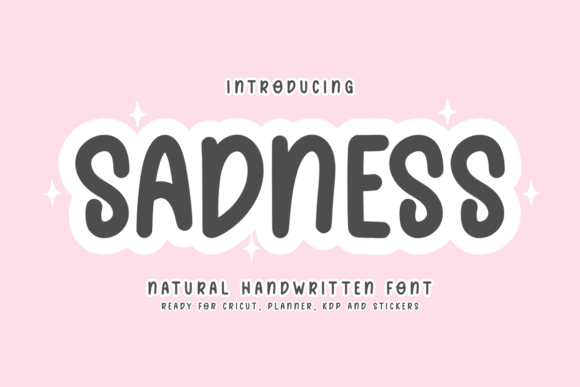
When it comes to design, typography plays a crucial role in shaping the overall aesthetic and emotional impact of any project. Sadness, a cute handwritten font, offers a unique blend of warmth and personalization that can elevate your creative work. Designed by Funtype Co., this font brings a natural, organic feel to digital and physical designs, making it an excellent choice for planners, journals, KDP interiors, stickers, t-shirts, and Cricut crafts.
The Strategic Value of Sadness in Design
Sadness is more than just a font—it’s a tool that can help you communicate more effectively and achieve better results. Its clean lines and minimalistic approach make it easy to use while still maintaining a sense of personality and charm. This makes it particularly useful for professionals who want to add a touch of authenticity without compromising on clarity or aesthetics.
For entrepreneurs and marketers, Sadness can be a strategic asset when designing branding materials, promotional content, or customer-facing documents. The font's warm and friendly appearance helps build trust and connection with audiences, which is essential for effective communication and engagement.
Freelancers, educators, and bloggers can also benefit from using Sadness in their work. Whether it's creating planner templates, journaling prompts, or educational materials, this font adds a personal touch that can enhance user experience and encourage interaction.
Practical Use Cases for Sadness
- Planners and Journals: The handwritten feel of Sadness makes it ideal for creating personalized planner pages, habit trackers, and journaling templates. It helps users feel more connected to their goals and progress.
- KDP Interiors: When designing book covers or interior layouts for Kindle Direct Publishing, Sadness can add a unique visual element that stands out from generic fonts.
- Stickers and T-Shirts: The font's cut-friendly nature makes it perfect for crafting custom stickers, apparel, and other merchandise. It allows for seamless integration into various materials and substrates.
- Cricut Crafts: With its smooth curves and clean edges, Sadness works well with Cricut machines, ensuring crisp cuts and accurate designs for all types of paper-based projects.
How to Approach Using Sadness Effectively
While Sadness is versatile and easy to use, it's important to approach its application with intention. Here are some key considerations to keep in mind:
Know Your Audience: Understanding who will be interacting with your design is essential. If your target audience prefers a more formal or professional look, Sadness may not be the best fit. However, if your brand or message aligns with a more casual, personal tone, this font can be a great addition.
Balance with Other Elements: While Sadness has a warm and inviting feel, it should be used in moderation. Pairing it with more structured fonts can create a balanced visual hierarchy, especially in larger projects like websites or marketing collateral.
Consider Readability: Although Sadness is designed to be clean and aesthetic, it's still a handwritten font. Ensure that it remains legible in different sizes and contexts. Avoid using it for long blocks of text where readability might be compromised.
Strategic Planning Tips for Designers
- Define Your Goals: Before selecting a font, clarify what you want to achieve with your design. Are you trying to evoke emotion, convey professionalism, or add a personal touch? Sadness is best suited for projects that require a warm and approachable aesthetic.
- Test Different Layouts: Experiment with how Sadness looks in different layouts and color schemes. Sometimes subtle changes in spacing or contrast can significantly impact the overall effect.
- Use It as a Focal Point: Let Sadness serve as a focal point in your design rather than a background element. This ensures that it draws attention where it's needed most, such as headings, titles, or call-to-action buttons.
Potential Risks and Considerations
While Sadness offers many benefits, there are also potential risks to consider when using it in your projects. One common issue is overuse—applying the font too frequently can dilute its impact and make your design appear cluttered or unprofessional.
Another consideration is context. In certain industries or settings, a handwritten font may not be appropriate. For example, legal documents, technical manuals, or formal business communications typically require more structured and professional typography. In these cases, Sadness may not be the best choice.
Finally, ensure that you're using Sadness in compliance with licensing agreements. Since it's a downloadable font, always check the terms of use before incorporating it into commercial projects or public-facing content.
Maximizing Long-Term Value with Sadness
When used strategically, Sadness can contribute to long-term success by enhancing brand identity, improving user experience, and supporting creative expression. By integrating this font into your workflow, you can streamline design processes and focus more on the core message of your projects.
Whether you're a small business owner looking to create eye-catching marketing materials or a hobbyist experimenting with new craft ideas, Sadness provides a reliable and versatile option that supports both creativity and functionality.
Ultimately, the key to using Sadness effectively lies in understanding its strengths and limitations. By applying it thoughtfully and purposefully, you can unlock its full potential and achieve better outcomes in your design work.